
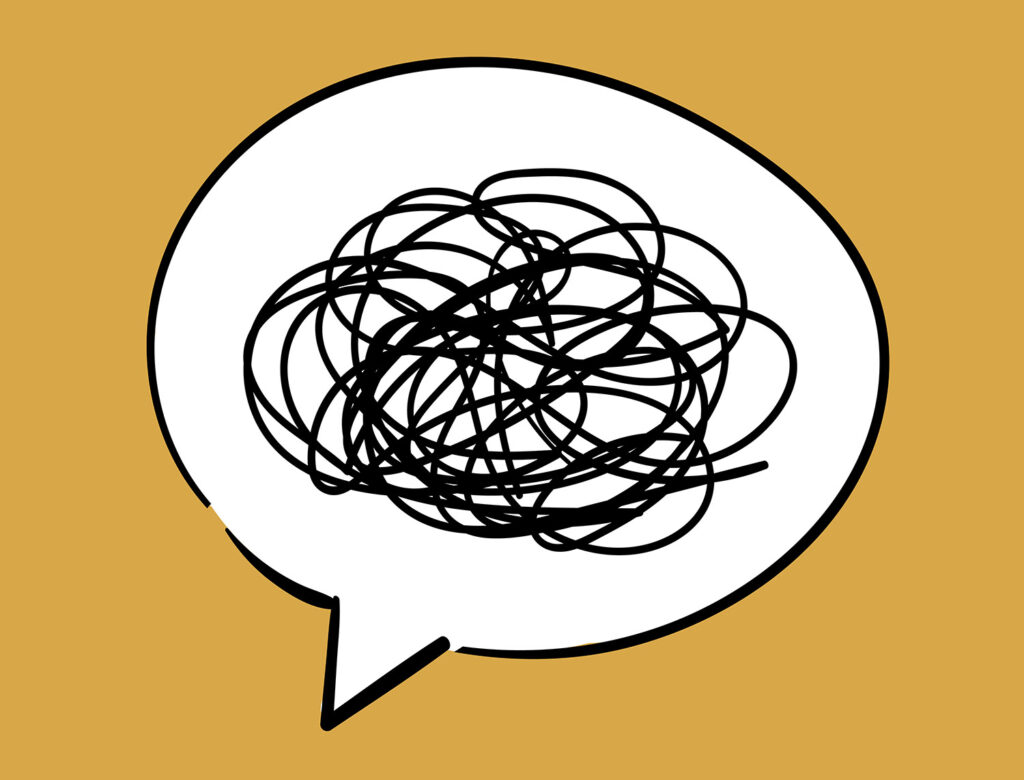
There’s a particular kind of stuckness that’s hard to explain.
On paper, your life works.
You’re functioning. Paying bills. Showing up. Doing what’s expected.
Nothing is obviously “wrong.”
And yet, internally, something feels… stalled.
Not dramatic enough to justify blowing things up.
Not painful enough to demand immediate action.
Just heavy enough to quietly drain motivation, clarity, and direction.
This article is about that specific experience — and why it happens more often than people realize.
What This Feeling Actually Is (and What It Isn’t)
Feeling stuck when life looks fine is not:
laziness
ingratitude
lack of ambition
a personal failure
It’s also not a sign that you need a complete life overhaul.
In most cases, it’s a sign of misalignment, not malfunction.
Your external life may still be running on systems that once made sense — while your internal priorities, needs, and identity have quietly changed.
When those two drift apart, friction builds.
Why This Kind of Stuckness Is So Common
This experience tends to show up in people who are:
responsible
capable
adaptable
good at pushing through discomfort
In other words, people who can function well even when something is off.
Because you’re not in crisis, there’s no obvious trigger to force reflection.
So the stuckness stays subtle — until it doesn’t.
The Hidden Mechanism: Outdated Internal Systems
Most of us build our lives around internal rules we rarely examine:
how hard we should push
what success should look like
what’s worth tolerating
what we owe others versus ourselves
These rules are often formed earlier in life — under different conditions, pressures, or identities.
They work… until they don’t.
When your life keeps running on outdated internal assumptions, you may feel:
- chronically unmotivated
- bored but restless
- successful but unsatisfied
- busy but disconnected
- Nothing is broken.
- The operating system just hasn’t been updated.
Why “Fixing” Things Doesn’t Help
When people feel this kind of stuckness, they often try to:
- optimize productivity
- change habits
- consume more self-help
- force gratitude
- push harder
These approaches assume the problem is effort.
But effort isn’t the issue.
Clarity is.
You can’t push your way out of a misalignment you haven’t identified.
How This Shows Up in Real Life
This pattern cuts across roles and lifestyles:
- A professional who keeps advancing but feels less engaged each year
- A parent who loves their family but feels invisible inside their own life
- A high performer who suddenly can’t access the same drive they used to
- Someone who “has it together” but feels quietly resentful or numb
Externally, things look fine.
Internally, there’s a sense of waiting — without knowing what for.
Why Awareness Alone Isn’t Enough
Many people are already aware that something feels off.
They can name it:
- “I know I should be happier.”
- “I know this isn’t fulfilling anymore.”
- “I know I’ve changed.”
And yet… nothing shifts.
That’s because awareness doesn’t automatically lead to integration.
Understanding the problem is different from working with the patterns that maintain it.
The Role of Unexamined Patterns
Over time, we develop patterns that help us cope:
- over-functioning
- people-pleasing
- self-suppression
- constant achievement
- emotional avoidance
These patterns aren’t bad.
They’re adaptive responses that once helped you survive, succeed, or belong.
But patterns that were useful in one chapter of life can quietly limit the next.
Feeling stuck is often your system signaling: “This strategy no longer fits who you are now.”
Why This Feels So Confusing
This experience is confusing because:
- There’s no obvious external problem to solve
- You don’t feel justified complaining
- OIthers may envy what you have
- You don’t want to appear ungrateful
So instead of addressing it directly, people often:
- Minimize it
- Rationalize it
- Push it down
- Distract themselves
Which only prolongs the discomfort.
What Actually Helps (Realistically)
Getting unstuck doesn’t usually require drastic action.
It requires honest examination of:
- what you’ve been tolerating
- which parts of yourself you’ve sidelined
- what you’re still doing out of habit rather than choice
- which internal rules no longer make sense
This kind of work isn’t about blame or self-criticism.It’s about clarity and responsibility.
Small insights compound.
Alignment restores energy.
A Grounded Reframe
If this resonates, try holding this frame instead of self-judgment:
> Feeling stuck doesn’t mean you’re failing.
It often means you’ve outgrown something — and haven’t yet updated how you’re living.
That’s not a crisis.That’s information.
Where Shadow Work Fits In
This is where structured reflection becomes useful.
Shadow work isn’t about digging up trauma or dwelling on negativity.
It’s about bringing unconscious patterns into awareness so they stop running your life in the background.
When done properly, it helps you:
- Identify outdated assumptions
- Understand emotional reactions
- Reconnect with suppressed needs
- Make conscious choices instead of repeating loops
Not overnight. Not dramatically.
But steadily.
If This Article Landed
If you recognized yourself here, you’re not alone — and you’re not behind.
This kind of stuckness is often a sign of capacity, not deficiency.
If you want a guided way to explore these patterns — step by step, without spiraling — the Shadow Work Prompts Pack is designed for exactly this kind of situation.
It’s structured, grounded, and meant to help you move from vague discomfort to clear understanding.
No hype.
No fixing.
Just clarity.
—